The Middle East conflict has entered a tense phase. Donald Trump has issued an ultimatum to Iran, demanding it reopen the Strait of Hormuz. He has also threatened military action if it does not comply. The crisis has been building for weeks. Oil shipments have been disrupted, and tensions have spread beyond borders. Iran has responded with defiance and sarcasm, adding to the rising strain.
Trump Issues Fresh Ultimatum as Tensions Rise
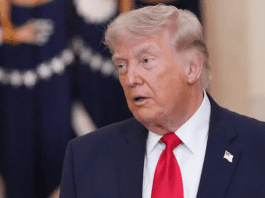
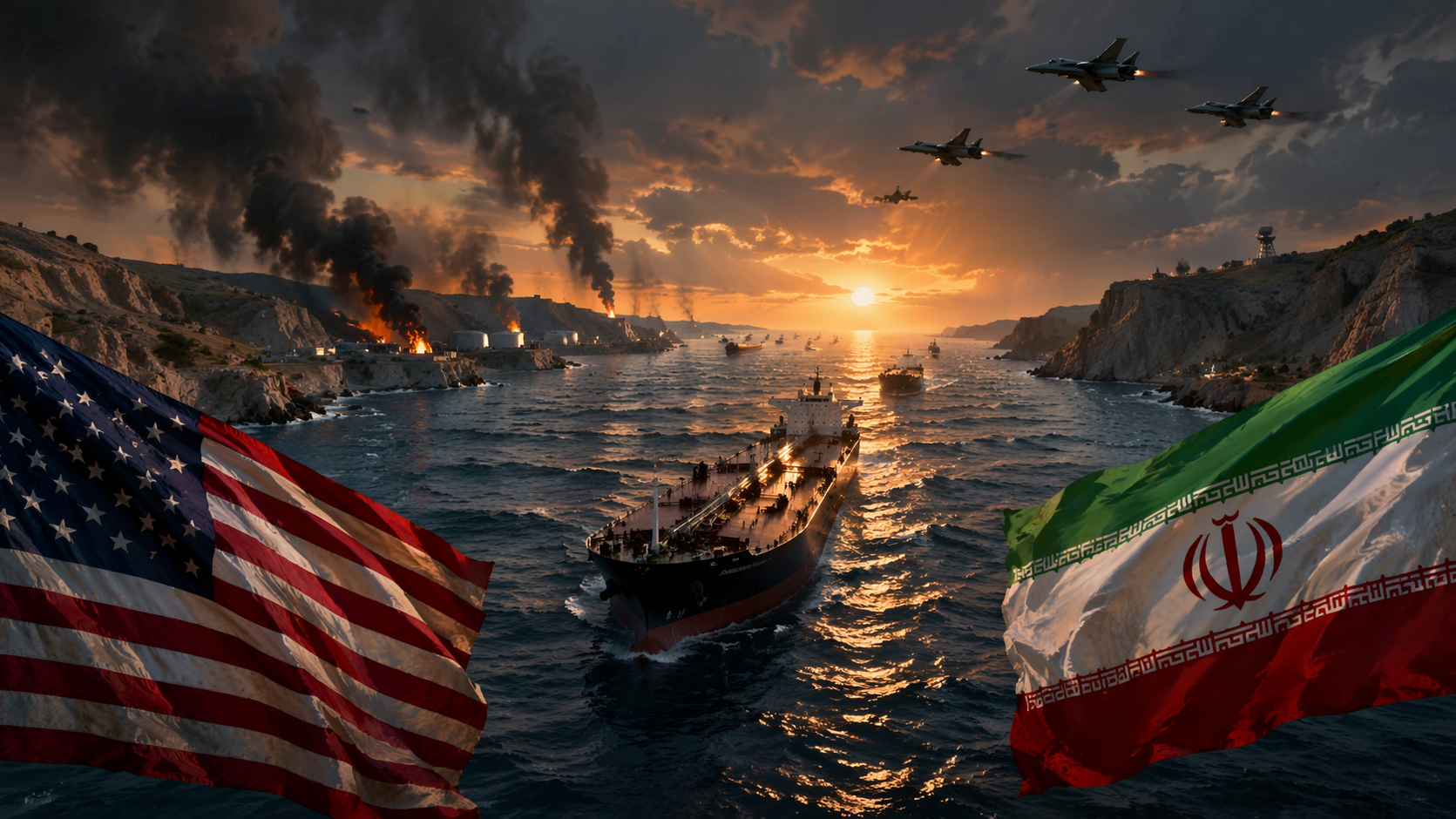
Donald Trump has further escalated tensions by issuing an ultimatum and demanding that Iran immediately reopen the Strait of Hormuz, a vital passage for global oil and gas shipments. He warned that if Iran does not comply with the ultimatum by the set deadline, the United States could launch strikes on key infrastructure, including power plants, bridges, and other important facilities across Iran.
While similar warnings have been made in the past, this latest statement carried a much sharper tone, reflecting rising frustration in Washington. The disruption of the Strait has already begun to impact global trade, slowing oil shipments, increasing shipping insurance costs, and creating uncertainty in international markets.
Iran moves to tighten control over Strait of Hormuz after conflict, alarming energy markets
Many countries depend heavily on this route for their energy needs, making the situation a global concern. The United States continues to push for the route to reopen without conditions, but Iran has strongly rejected the demand, stating it will not act under pressure or threats.
Iran Pushes Back With Defiance and Mockery
Iran’s response has been both serious and unusual. Senior leaders strongly rejected Trump’s warning. Mohammad Bagher Ghalibaf accused the US of pushing the region toward chaos and warned that such actions could bring severe consequences.
He also claimed that American decisions are being influenced by Benjamin Netanyahu, suggesting that the conflict is being driven by wider political interests.
At the same time, Iran used social media to mock the US demands. One of the most talked-about responses came from an Iranian diplomatic account, which jokingly said, “We’ve lost the keys.” Another message read, “Next request, please.” These remarks quickly spread online and were seen as a way to show confidence and dismiss the ultimatum.
India-bound oil tanker reaches Mumbai safely after going dark through conflict-hit Strait of Hormuz
Despite the humor, Iranian officials have taken a firm stance. They say the Strait of Hormuz will not be fully reopened unless certain conditions are met. These include compensation for damages caused during the ongoing conflict.
Iran also insists that it still controls the waterway and can decide how and when ships are allowed to pass. This position has raised concerns among global leaders, as it suggests that the crisis could continue affecting international trade.
Conflict Expands Beyond Borders Amid Continued Strikes
The conflict has expanded beyond a single region, with Iran carrying out actions outside its borders. Reports suggest strikes on infrastructure in Gulf countries and threats to another key shipping route, the Bab el-Mandeb Strait. These developments have increased fears that the crisis could spread further across the region.
Damage has already been reported in locations such as the United Arab Emirates, where industrial sites were affected. Some of these incidents are believed to be linked to intercepted drones or missiles. The growing number of such attacks has raised concerns about the safety of critical infrastructure in neighboring countries.
Trump warns NATO of consequences if allies don’t help reopen the Strait of Hormuz
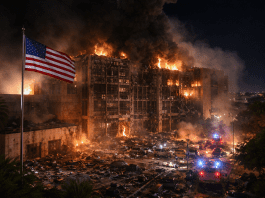
Inside Tehran, explosions have continued as airstrikes hit multiple areas. Nearby cities like Qom have also been impacted, with some civilian zones affected. Both sides have targeted “dual-use” facilities such as energy plants and water systems, prompting warnings from legal experts about possible violations of international law.
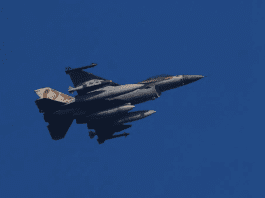
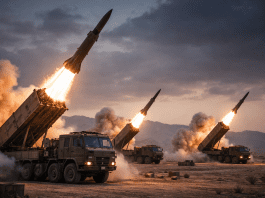
Military clashes have also intensified, with Iran claiming it shot down US aircraft, while the United States confirmed a risky rescue mission for injured personnel. Conflicting reports from both sides have created uncertainty around the events. Despite this, diplomatic efforts involving Oman are ongoing, with discussions of a possible 45-day ceasefire continuing amid high tensions.