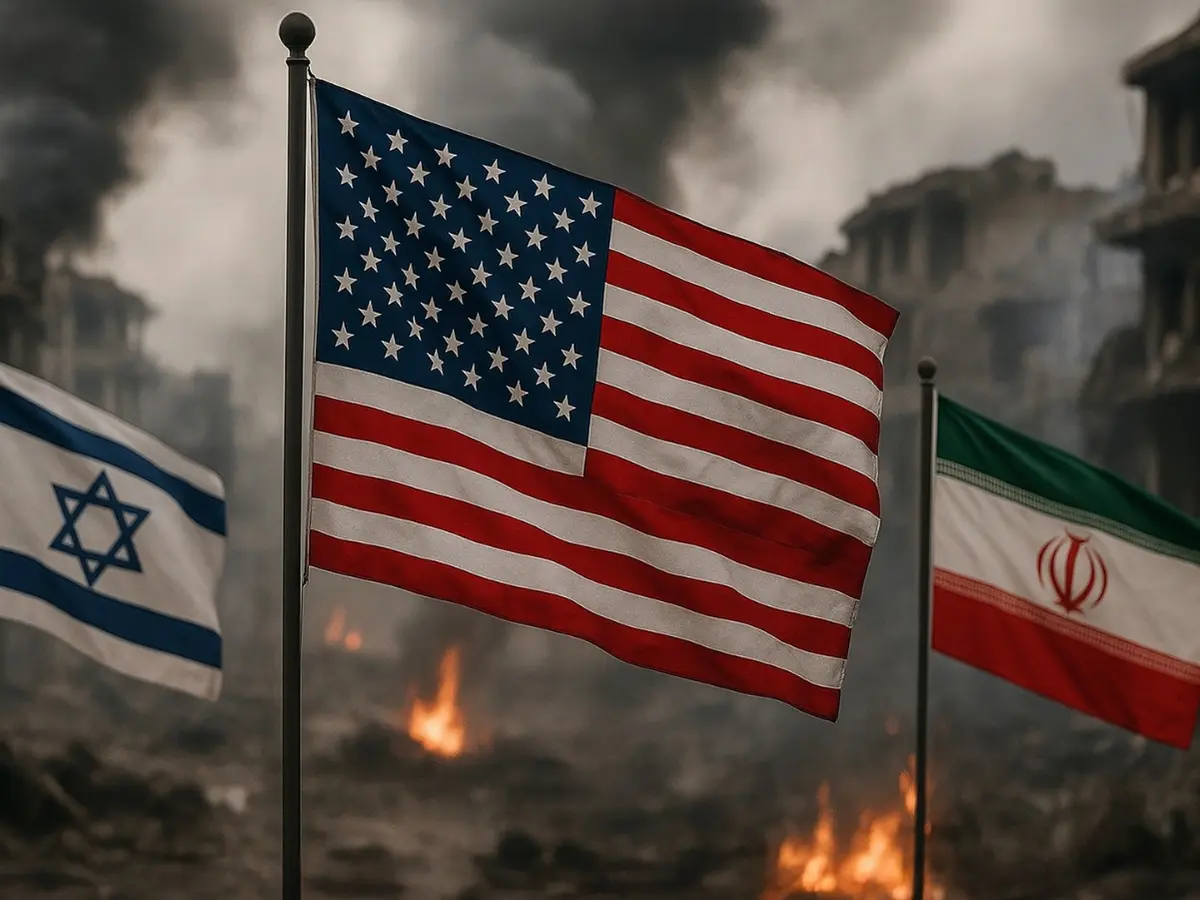
The Middle East stands on a razor’s edge as a high-stakes geopolitical showdown barrels toward a potentially catastrophic climax. With mere hours left before a self-imposed deadline by Donald Trump, the world is watching a volatile mix of brinkmanship, backchannel diplomacy, and intensifying violence that could either trigger a wider regional war—or deliver a dramatic last-minute breakthrough.
At the heart of the crisis lies the strategic Strait of Hormuz, the world’s most critical oil artery, now caught in a dangerous standoff between the United States and Iran. Tehran has signaled it may allow only “conditional passage” through the waterway, raising fears of a global energy shock if tensions spiral further.
Trump’s Explosive Threat: “Destructive Force” on the Table
In a move that has stunned allies and critics alike, Trump has issued an ultimatum to Tehran: reopen Hormuz fully—or face devastating consequences. The U.S. president warned that failure to comply could result in American strikes targeting Iran’s core infrastructure, including bridges and power plants.
His rhetoric has only heightened global alarm. When questioned about the legality of such attacks, Trump dismissed concerns, stating bluntly that the real “war crime” would be Iran acquiring nuclear weapons. The remark has sparked outrage among international observers, who warn that deliberate targeting of civilian infrastructure could violate international law and further inflame the conflict.
Despite the fiery warnings, Trump has hinted at a possible pause in escalation. Following urgent diplomatic outreach led by Pakistan, the U.S. leader suggested he may hold off on unleashing “destructive force”—for now.
Islamabad Emerges as Secret Power Broker
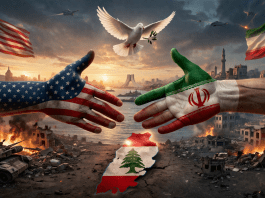
In a surprising twist, Islamabad has emerged as the unlikely epicenter of crisis diplomacy. Pakistani officials are quietly mediating indirect talks between Washington and Tehran, hosting what insiders describe as “last-ditch negotiations” to prevent a catastrophic escalation.
Diplomatic sources reveal that the talks have entered a “critical and sensitive stage,” with cautious optimism beginning to surface. Iran’s ambassador to Pakistan has hinted that “more hopes are emerging,” while officials close to the negotiations say both sides are under immense pressure to strike a deal before the deadline expires.
Pakistan is not acting alone. Coordinated efforts involving Egypt and Turkey are underway to bridge deep divides between the two adversaries. The goal: secure at least a temporary ceasefire that could pave the way for broader negotiations.
Iran’s Firm Stand: No Temporary Truce
Tehran, however, is digging in its heels. Iranian officials have rejected a proposed 45-day ceasefire, insisting instead on a permanent end to hostilities. The leadership fears that any temporary pause would simply allow the U.S. and its allies to regroup before resuming attacks.
One proposal under discussion involves formal ratification of a deal by the U.S. Congress—an attempt to guarantee that any agreement cannot be easily undone by future political shifts in Washington.
Meanwhile, reports suggest that internal divisions are emerging within Trump’s own team. Key advisers, including senior White House figures, are said to favor a negotiated settlement. But powerful regional allies—including Israel and Gulf nations—are urging Washington to reject any ceasefire and press its military advantage.
Bloodshed Intensifies Across Iran
Even as diplomats scramble for a breakthrough, the battlefield tells a far grimmer story.
According to the Human Rights Activists News Agency, nearly 3,600 people have been killed since the conflict erupted, including over 1,600 civilians and at least 248 children. The scale of destruction is staggering, with hundreds of strikes reported across multiple provinces in just a single day.
Iranian authorities and humanitarian groups have accused U.S. and Israeli forces of targeting civilian infrastructure, including residential areas. The Iranian Red Crescent Society claims that at least 17 civilian sites were hit in recent strikes—allegations that, if verified, could have serious legal and moral implications.
Images emerging from cities like Shiraz and Tehran paint a bleak picture: shattered buildings, burned-out vehicles, and families searching through rubble for survivors.
Israel Expands Offensive, Targets Strategic Sites
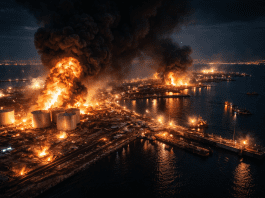
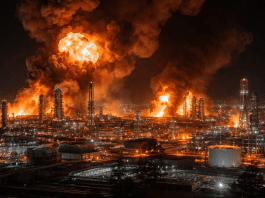
The Israel Defense Forces has confirmed strikes on what it describes as critical Iranian military infrastructure, including a key petrochemical facility in southern Iran allegedly linked to missile production.
In an unusual move, Israeli forces issued a direct warning to Iranian civilians via social media, urging them to avoid railway lines for several hours, citing imminent military operations. The message has triggered panic and confusion among residents already living under the constant threat of airstrikes.
Violence Spills Beyond Iran
The conflict is no longer contained within Iran’s borders.
In Istanbul, a dramatic shootout erupted outside the Israeli consulate, involving three armed attackers and Turkish police. One assailant was killed, while others were injured along with two police officers. Authorities are investigating possible extremist links, raising fears that the war is inspiring attacks far beyond the immediate conflict zone.
Meanwhile, in Lebanon, Israeli airstrikes have killed at least eight people in the south, according to state media. The escalation has heightened concerns that Hezbollah could be drawn deeper into the conflict, opening another dangerous front.
A Region Holding Its Breath
As the clock ticks down to Trump’s deadline, the stakes could not be higher. A breakthrough in Islamabad could halt the violence and stabilize global markets. Failure, however, could unleash a devastating escalation with consequences far beyond the Middle East.
The world is now witnessing a high-risk gamble—where diplomacy, military القوة, and political ambition collide in real time.
Will a last-minute deal pull the region back from the brink? Or will the countdown end in a dramatic and destructive escalation?
For now, the answer remains uncertain—but the consequences will be felt across the globe.