




By the end of 2025, Iran saw massive protests that began with merchants in its Grand Bazaar. These demonstrations quickly spread, fueled by high inflation, political frustration, and unfulfilled reform promises after the 12-day war, adding another layer of tension to the ongoing US Iran conflict.
Large-Scale Protests and Regional Suspicion in the US Iran Conflict
At first, global observers, including China, watched cautiously. Over time, China grew suspicious as foreign figures openly supported the protesters, seeing this as outside interference and blaming it for the deadly violence on January 8-9 that claimed thousands of lives.
From China’s view, Iran quickly controlled the protests. This surprised the US and its allies. It showed that Iran can manage domestic unrest. Chinese discussions also note that the Iranian people were “betrayed” twice. First, foreign help never came during the protests. Second, earlier negotiations left them unsupported.
China voices strong backing for Pakistan after coordinated militant attacks in Balochistan
China views the US-Iran rivalry as tied to regional dominance. Beijing sees the ongoing US Iran conflict as driven by Washington’s sanctions, diplomacy, and threats of military action. In 2025, inspections found Iran had over 440 kilograms of uranium enriched to 60 percent, raising US and Israeli concerns and intensifying the US Iran conflict.
Competing Demands and Military Readiness
The US has demanded Iran halt uranium enrichment, limit missiles, and end support for proxies. Israel wants stricter measures, including moving enriched materials and dismantling military sites. China sees these demands as unbalanced, while Iran refuses to negotiate on missiles and offers only to dilute its uranium in exchange for lifting sanctions. These standoffs have intensified the US Iran conflict.
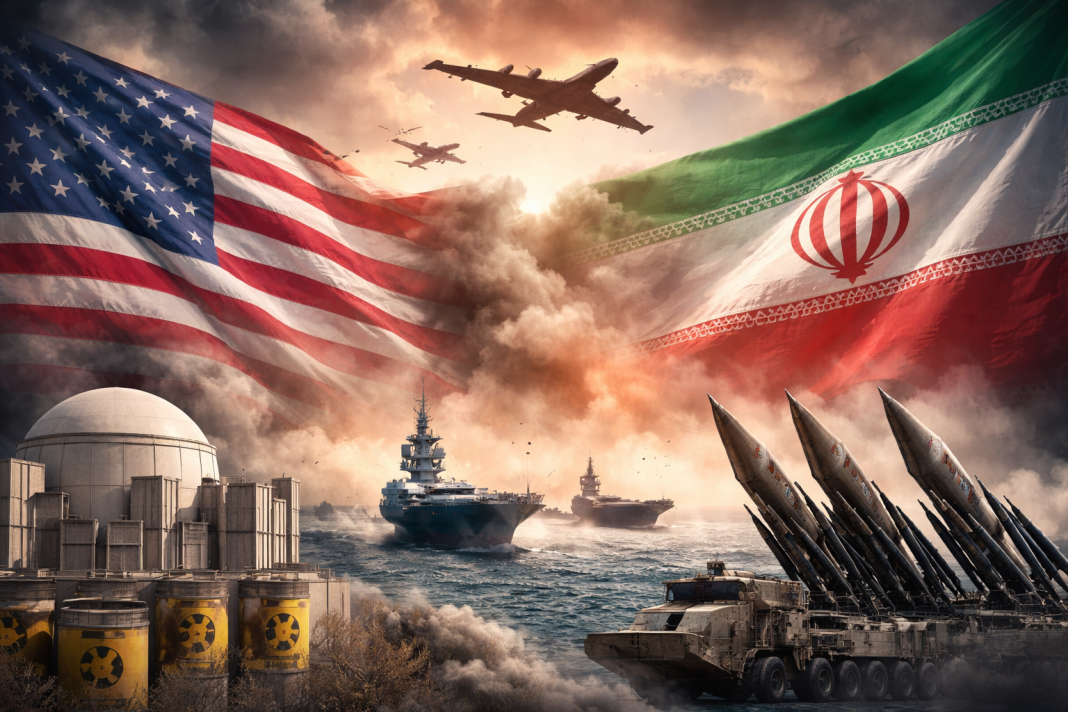
Military posturing has become a major part of the standoff. The US has deployed two aircraft carrier groups in the Middle East and stationed tens of thousands of troops in key locations. Strategic bombers have been placed in Qatar, and the US has replenished its stockpile of specialized bunker-busting bombs. Washington has also sought regional support for potential airstrikes, though neighboring countries remain cautious. Such military moves further heighten the US Iran conflict.
Iran has responded by keeping its military on maximum alert. The country has threatened retaliation using medium- and short-range missiles as well as drones targeting US forces and Israel. Past strikes that bypassed advanced defense systems have made these threats appear credible. The risk of escalation in the US Iran conflict remains high.
Iran’s regional allies could also play a role if conflict erupts. Proxy groups in Iraq, Lebanon, and Yemen are likely to expand operations, which could widen the confrontation and increase risks for all parties involved in the US Iran conflict.
Diplomacy Amid High Stakes
Both sides have been trying indirect diplomacy amid rising tensions. In early February 2026, talks in Muscat failed to produce an agreement, and a follow-up round is scheduled in Geneva for mid-February. China sees these efforts as a careful balancing act, with war not inevitable but military pressure still very high. The US seems ready for a short, targeted strike aimed at Iran’s nuclear and military sites rather than a full-scale ground invasion.
The timing of negotiations also carries political weight. In mid-February, the US set a one-month deadline for a deal. Chinese observers think that if talks fail, the chances of military action will grow. With automatic UN sanctions no longer in place, the US now relies mainly on the threat of force to push Iran, keeping the US Iran conflict tense.
China warns US against attacking Iran, says ‘military adventurism’ could plunge West Asia into chaos
Large-scale troop deployments and the presence of two carrier strike groups make the situation expensive and complex. China notes that while these deployments show readiness, they also raise questions about whether the US can sustain them over time. This adds pressure to the ongoing negotiations and the broader US Iran conflict.
China’s view highlights both the political and operational challenges facing the US and Iran. Diplomacy continues under tight deadlines, but Beijing sees the risks of escalation as real and immediate, with military moves and talks happening at the same time, keeping the US Iran conflict at the forefront of regional security concerns.