


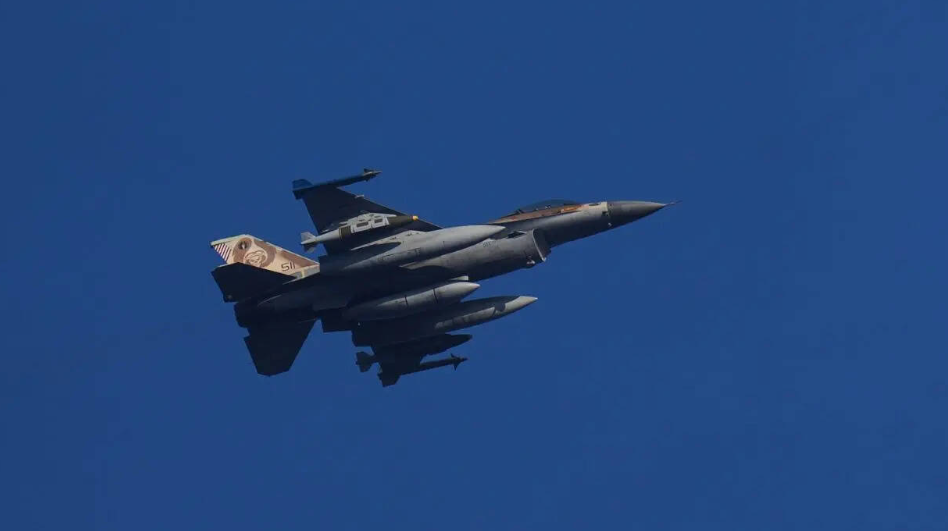


Fresh reports claiming an F-16 fighter jet was shot down over Iran have raised new questions about air dominance in the ongoing conflict. With conflicting accounts and multiple incidents emerging, the situation has become increasingly unclear and tense.
Conflicting Claims Over Shot Down Fighter Jet
A new report has sparked fresh debate. It claims that an F-16 fighter jet was shot down by Iranian air defence systems. This comes despite the widely held belief that the United States and its allies have strong air dominance over Iran. The development is being seen as a major moment in the ongoing conflict. It challenges earlier assumptions about control of the skies.
According to the report, images of aircraft debris suggest that a fighter jet may have been destroyed during an aerial engagement. Analysts studying the wreckage pointed to a single-engine exhaust. This feature is commonly associated with aircraft like the F-16. Some also suggested that the debris could belong to a more advanced jet. However, the F-16 was considered the more likely possibility.
Iran claims a second US F-35 stealth jet was shot down over its central region
At the same time, reports indicated that multiple fighter jets were flying over Iranian cities. Air defence systems were activated during this time. Witness accounts described aircraft releasing flares, a defensive tactic used to avoid incoming missiles. These events have added to the growing uncertainty around the situation.
However, it is important to note that these claims have not been independently verified. There has been no official confirmation from military authorities, and different sources continue to provide conflicting versions of what happened.
Multiple Aircraft Incidents Raise Concerns
The reported shootdown is not the only incident drawing attention. Around the same time, another military aircraft was said to have crashed near the Strait of Hormuz, one of the most sensitive and important shipping routes in the world.
Officials confirmed that the aircraft went down during ongoing operations in the region. The crash involved a plane designed for close air support, known for flying at low altitudes in high-risk combat zones. The pilot was successfully rescued, but details about the cause of the crash remain unclear.
Iran moves to tighten control over Strait of Hormuz after conflict, alarming energy markets
In a separate development, reports also claimed that a twin-seat strike fighter was brought down over Iranian territory. The aircraft reportedly had two crew members onboard. Both individuals were said to have ejected safely after the jet was hit. Rescue teams were able to locate one crew member, while efforts continued to find the other.
These incidents happening close together have raised serious concerns about the safety of air operations in the region. Military aircraft are often equipped with advanced systems designed to avoid such threats, but the situation suggests that risks remain high.
Disputed Narratives and Rising Tensions
Conflicting narratives have emerged around the reported incidents, with some sources claiming that multiple advanced fighter jets were shot down across different locations. These reports suggest significant losses and increased vulnerability in ongoing air operations.
However, military officials have strongly rejected these claims, stating that all aircraft are accounted for and calling the reports inaccurate. They also noted that similar allegations have surfaced in the past and were later proven false.
Despite the denials, tensions remain high. Videos on social media appear to show search and rescue operations involving helicopters and other aircraft, reportedly aimed at locating missing crew members. Some reports also claim that rescue missions faced challenges, with difficulties in extracting personnel from hostile areas, though these details remain unverified.
Donald Trump says “we’re in war” as he reacts to the loss of a US fighter jet
Additional concerns have arisen from earlier incidents where aircraft were damaged or forced into emergency landings. These developments indicate that even highly advanced military platforms may face risks in heavily defended airspace.
With limited verified information available, the exact sequence of events remains unclear. However, if confirmed, the reported shootdown of an F-16 would mark a significant moment, raising serious questions about air superiority and the evolving nature of modern warfare.