
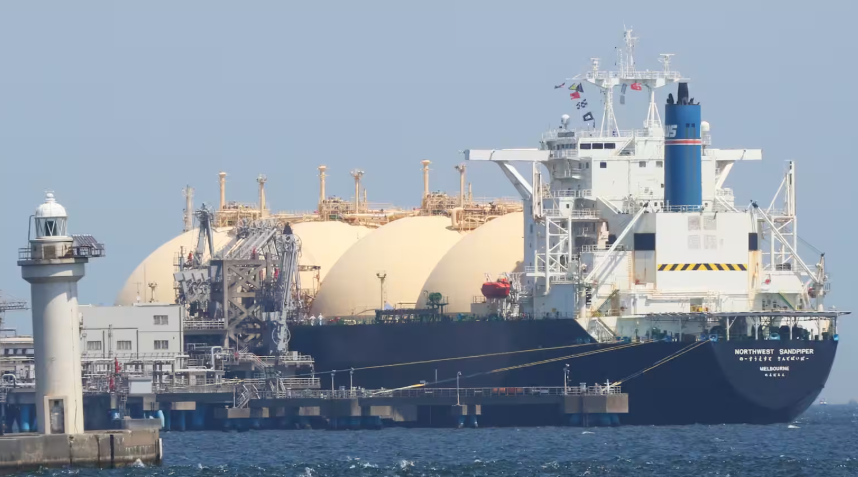

A sudden global conflict has pushed Pakistan from having excess LNG to facing a supply shortage. Disruptions in Middle East energy routes quickly exposed the country’s heavy reliance on imports, leaving its energy system under growing pressure.
A Sudden Turn From Too Much LNG to Too Little
At the beginning of 2026, Pakistan had more liquefied natural gas than it needed, as demand had fallen steadily from its 2021 peak by late 2025.
This drop was driven by the rapid spread of cheap solar panels and reduced industrial use due to high costs. As a result, the country was left with excess shipments, which were partly sold abroad while domestic gas production was cut to avoid system overload.
China and Pakistan join forces to present a new five-point peace plan for the Middle East
Some surplus was pushed into household pipelines at a financial loss, adding to the energy sector’s growing debt. At the time, oversupply seemed manageable—until a sudden conflict in the Middle East changed the situation.
War Disrupts Global Energy Supply Chains
On February 28, a large-scale military operation targeted Iran. The strikes hit key military and infrastructure sites. Soon after, Iran responded with missile and drone attacks across the region.
This conflict had a direct impact on global energy routes. One of the most important areas affected was the Strait of Hormuz, a narrow passage through which a large portion of the world’s oil and gas is transported. Shipping traffic in this area slowed down sharply.
Within days, energy infrastructure also came under attack. Iran launched drone strikes on gas facilities in Ras Laffan Industrial City, which is home to the world’s largest LNG export complex.
Pakistan signals negotiated safe passage as state-run tanker clears the Hormuz blockade
This forced Qatar, one of the world’s biggest LNG exporters, to stop production and declare force majeure. This legal step meant it could not fulfill its supply commitments due to unexpected circumstances.
The situation worsened further when additional strikes targeted the South Pars gas field, one of the largest in the world. This field is connected underground to Qatar’s North Field, meaning both countries’ gas production systems were affected at the same time.
Following repeated attacks, LNG production was cut significantly, and repairs were expected to take years. These disruptions caused immediate changes in global energy prices. Oil prices surged past $100 per barrel, and gas prices also rose quickly in international markets.
Pakistan’s Energy System Faces Pressure
For Pakistan, the impact was immediate and severe. The country depends heavily on imported LNG, especially from Qatar and the United Arab Emirates. Together, these two countries supply nearly all of Pakistan’s LNG needs.
When shipments stopped, the shift from surplus to shortage happened almost overnight.
Pakistan relies on three main energy sources: domestic gas, imported LNG, and LPG. Domestic gas supplies most of the demand, but production has been declining for years. Imported LNG plays a key role in electricity generation, while LPG, partly imported from Iran, is mainly used in rural areas.
Before the conflict, liquefied natural gas met about a quarter of the country’s electricity needs. However, supply disruptions quickly made this source unreliable. In early 2026, shipments dropped sharply, while prices rose within weeks, increasing financial pressure.
India emerges as a more reliable mediator for Middle East peace over Pakistan
At the same time, rapid solar adoption had already reduced demand for grid electricity. Millions installed solar panels to avoid high costs and outages. Despite lower demand, long-term gas contracts forced continued purchases, even when the fuel was not needed.
This created a mismatch. Pakistan had to pay for excess supply without having storage capacity. When imports were disrupted, there were no reserves available.
Authorities restarted domestic gas production and turned to coal and hydropower, but these could not fully replace the lost supply. LPG imports were also affected.
Mild weather and solar power helped avoid immediate outages, but the system remained fragile, with higher costs and uneven impact on households and industries.