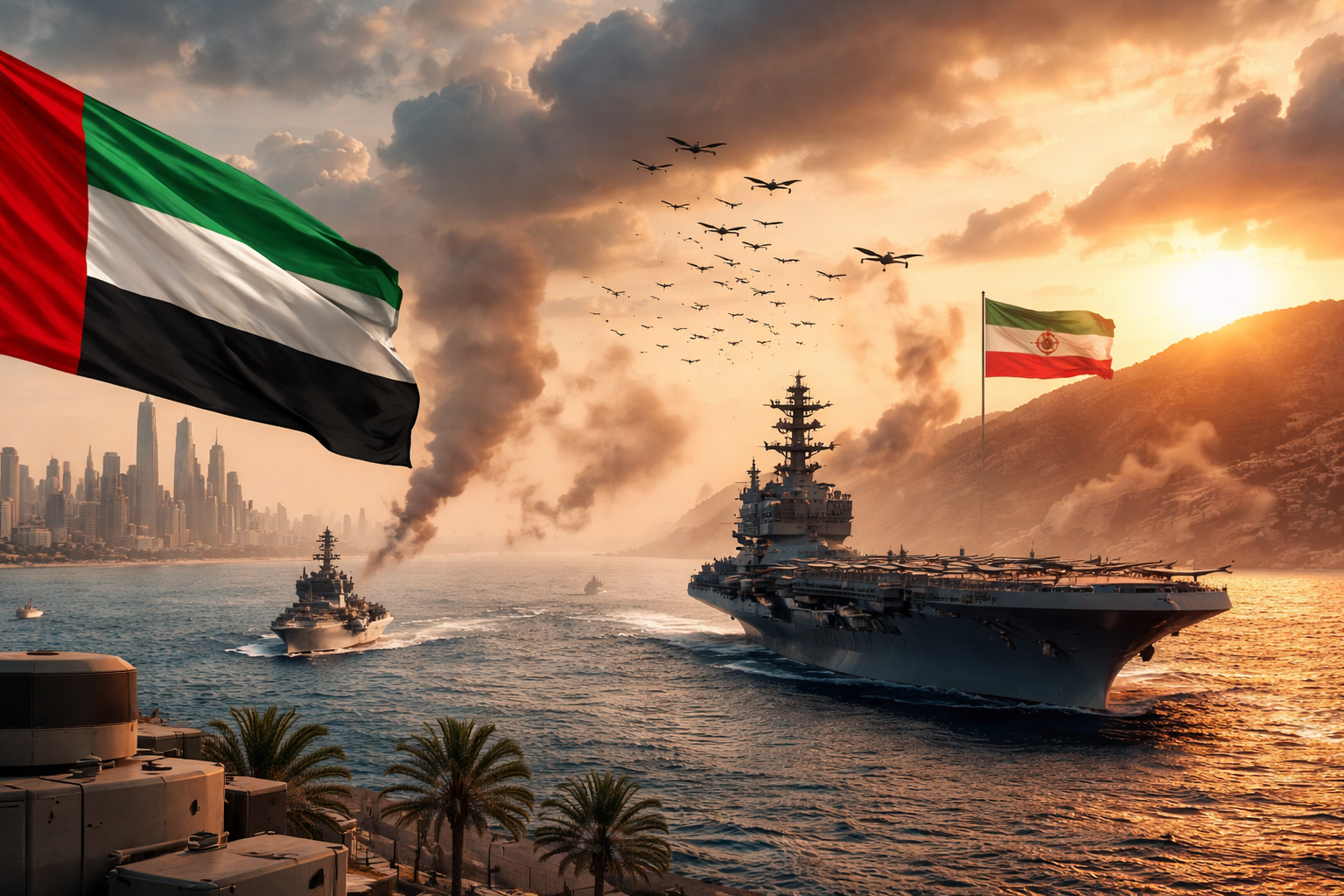
The Middle East is edging closer to a dangerous tipping point as tensions between the United States and Iran continue to rise. In a significant development, the United Arab Emirates has drawn a firm red line, making it clear that it will not allow its airspace, land, or territorial waters to be used for any military action against Iran.
The decision signals Abu Dhabi’s effort to distance itself from a potential regional war, even as Washington quietly increases its military presence nearby and Tehran issues stark warnings that any conflict would not remain limited.
UAE Pushes for De-Escalation
UAE officials have emphasized that their position is rooted in stability and dialogue. The country has called on all sides to step back from confrontation and avoid actions that could spiral into a broader conflict.
By ruling out logistical or operational support for military strikes, the UAE is sending a clear message that it does not want to be drawn into a confrontation between the United States and Iran. Analysts say the move reflects growing concern among Gulf states that even a limited clash could quickly spread across the region.
Rare public rift: Saudi Arabia claims UAE aided escape of wanted Yemeni leader
The UAE’s stance also highlights a shift toward more cautious regional diplomacy, as countries weigh the economic and security risks of escalation.
Iran Issues Stark Warning
Iran, meanwhile, has adopted a far more confrontational tone. Senior Iranian officials have warned that if the United States initiates a war, the consequences would extend well beyond Iran’s borders.
Tehran has repeatedly stated that it would respond to any attack by targeting U.S. interests and allies across the Middle East. This has raised alarms in Washington and among regional governments that fear becoming indirect targets in a wider conflict.
Iran’s warnings come at a time when the country is facing intense internal pressure. Nationwide protests, mass arrests, and reports of potential executions have drawn international criticism and increased scrutiny of Tehran’s leadership.
Trump Warns Iran Over Crackdown
U.S. President Donald Trump has issued repeated warnings to Iran over its handling of domestic unrest. Trump has criticized the Iranian government for brutal crackdown on protesters. He has also warned that further escalation could carry serious consequences.
While Trump has publicly said he prefers to avoid war, his administration has also made clear that it is prepared. This combination of warnings and military signaling has contributed to growing uncertainty across the region.
U.S. Rejects F-35 Deal with UAE—Huawei Ties, Israel’s Edge at Center of Standoff
US Military Quietly Repositions
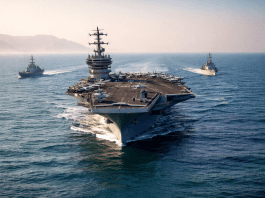
As diplomatic tensions increase, Washington has begun quietly repositioning its military forces. The United States Navy has moved the USS Abraham Lincoln carrier strike group into the Indian Ocean, placing it within reach of the Middle East while keeping it at a distance from Iran’s immediate coastline.
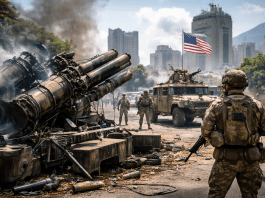
In addition to the carrier group, the United States has reinforced air and naval assets across the region. These moves are defensive and intended to deter aggression. But analysts note that such deployments also increase the risk of miscalculation.
Military experts warn that even routine maneuvers can be misread during periods of heightened tension, potentially triggering unintended clashes.
The Drone Threat Raises New Concerns
Iran’s most serious military threat may not come from traditional missiles, but from large-scale drone swarms. Iran has invested heavily in unmanned aerial systems and has demonstrated their use through allied groups in the region.
Unlike conventional attacks, drone swarms are designed to overwhelm advanced air and naval defenses by sheer volume. Analysts say even sophisticated warships could struggle to intercept dozens or hundreds of low-cost drones launched simultaneously.
This strategy has raised particular concern for U.S. naval forces operating in contested waters. Experts warn that such tactics could complicate any military response and increase the risk of rapid escalation.
Once close allies, Saudi Arabia and the UAE now clash over power in the Middle East
Region Caught Between Caution and Confrontation
With the UAE stepping back from any direct involvement, Iran signaling readiness to respond forcefully. And U.S. forces repositioning, the Middle East finds itself at a volatile crossroads.
Regional governments are now walking a delicate line, balancing security commitments with the desire to avoid being pulled into a larger war. The UAE’s decision reflects broader fears that a conflict between Washington and Tehran would have devastating consequences for trade, energy markets, and civilian populations.
Diplomats continue to push for dialogue, but options appear limited as trust erodes and military preparations continue.
A Single Spark Could Ignite Wider Conflict
Analysts warn that the current situation is fragile. A single incident — whether a miscalculated strike, a naval confrontation, or a drone attack — could ignite a chain reaction that draws multiple countries into the conflict.
For now, restraint from key regional players like the UAE may help slow the march toward war. But with tensions high and military forces on the move, the risk of escalation remains real.
The Middle East is no longer just facing rising tensions. It is standing dangerously close to a moment where events could slip beyond anyone’s control.