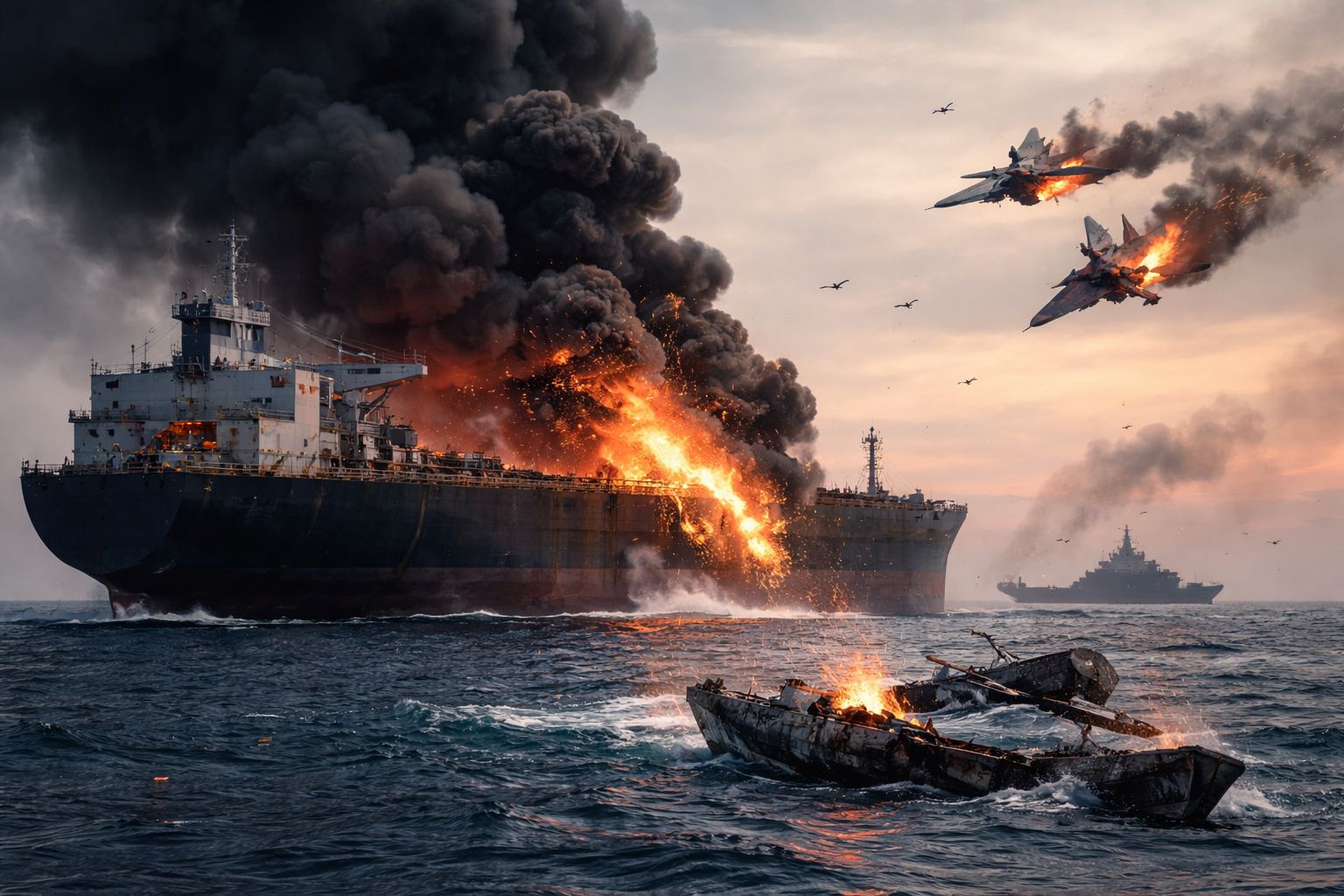
In one of the most serious escalations in the growing US–Iran conflict, the fighting killed an Indian seafarer in the Gulf of Oman. Kuwaiti air defenses mistakenly shot down three American fighter jets amid heavy combat. The situation continues to unfold across the region. Civilians and military forces remain at risk as tensions rise. This volatile situation is unfolding fast and affecting civilians and military forces across the region. Here are the confirmed facts as they stand now.
Indian Crew Member Killed in Gulf of Oman Attack
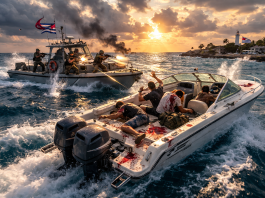
A tragic incident occurred on Monday, March 2, 2026, when attackers struck a Marshall Islands‑flagged oil tanker in the Gulf of Oman, killing an Indian sailor.
The attack took place off the coast of Muscat, Oman, near busy international shipping lanes connecting the Gulf with the Arabian Sea. The vessel — identified as the MKD VYOM — suffered a bomb‑laden drone boat explosion, a type of unmanned weapon increasingly used in this conflict, according to authorities and media reports.
U.S.–Iran talks resume in Oman as missile dispute threatens fragile nuclear diplomacy
Officials confirmed that the blast killed the Indian crew member, highlighting the dangers civilian mariners face as military operations surge in the region. Independent sources have not confirmed the identity of the attacker, but Iranian forces have carried out drone and missile strikes across Gulf waters in retaliation for US and Israeli offensive actions.
This fatality raises wider maritime dangers: recent attacks have damaged three tankers, and shipping through the Strait of Hormuz — a critical oil transit route — has drastically dropped as vessels avoid the conflict zone.
Kuwait Air Defenses Accidentally Down 3 U.S. Fighter Jets
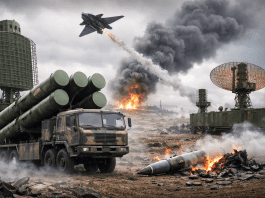
On Monday morning, the US military reported that three of its F‑15 fighter jets were accidentally shot down by Kuwait’s air defence systems during active combat operations in the Gulf. The jets were operating amid an intense wave of Iranian drone, missile, and aircraft attacks targeting US and allied positions across the region, which has made the airspace extremely congested and high-risk.
According to the U.S. Central Command (CENTCOM), all six crew members safely ejected from the planes and were recovered in stable condition. Authorities emphasized that there were no fatalities, and rescue teams responded quickly to secure the personnel.
Iran Plotted Trump’s Assassination Over Nuclear Deal Fallout, Netanyahu Alleges
Kuwaiti officials acknowledged that the incident was a “friendly fire” mistake, caused by the misidentification of aircraft during a period of heightened tension and active military operations. The complex coordination of multiple forces in the same airspace contributed to the error.
Media footage showed one of the jets trailing smoke before crashing near Al Jahra, Kuwait, while the pilot successfully deployed a parachute and landed safely. This friendly fire event is one of the first confirmed U.S. air losses in the ongoing conflict and highlights the serious risks of rapid escalation when multiple militaries operate in close proximity in the Gulf region.
Wider Conflict Continues Across the Region
The death of the Indian sailor and the downing of U.S. jets are part of a much larger conflict that began in late February 2026, following joint U.S.–Israeli strikes on Iran. These attacks reportedly killed Iran’s Supreme Leader Ayatollah Ali Khamenei, prompting widespread retaliation from Iran and its allied groups across the region.
Iran has carried out missile and drone strikes on military targets and cities in Israel, as well as on U.S. bases and positions in several Gulf states. These attacks have intensified tensions and increased the risk of further escalation.
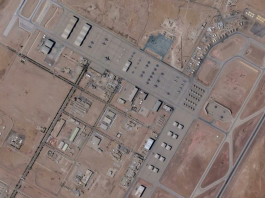
Konarak naval base shows heavy damage as conflict expands to sea and regional tensions mount
The Lebanese militant group Hezbollah has also fired rockets into northern Israel, which led to retaliatory strikes on Lebanese territory. Other Gulf countries, including UAE, Kuwait, Qatar, Bahrain, and Saudi Arabia, have been hit by missiles and drones, resulting in civilian casualties, injuries, and damage to infrastructure.
The conflict is also affecting international shipping. Hundreds of ships, including oil and gas tankers, have stopped passing through the Strait of Hormuz, a key global shipping route. This disruption has raised concerns about the global energy supply and logistics, adding to the crisis in the region.