


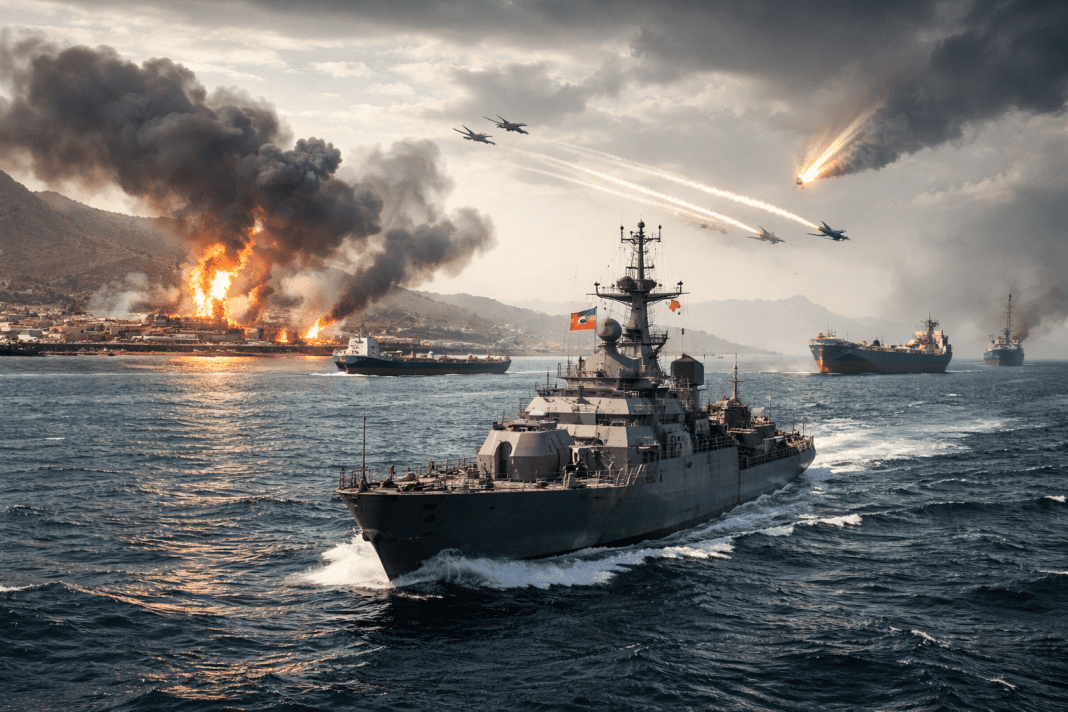


Tensions are rising in the region. Iran has refused to reopen the Strait of Hormuz in exchange for a temporary ceasefire. The decision comes as military activity continues. Pressure from global powers is also increasing. There are growing concerns about global trade and regional stability.
Iran Rejects Temporary Ceasefire Deal Over Key Waterway
Iran has made it clear that it will not reopen the Strait of Hormuz in exchange for a temporary ceasefire. This statement comes at a time of rising tensions in the region, where the waterway plays a crucial role in global oil transportation.
A senior official confirmed the position while speaking to Reuters on Monday, April 6, 2026. According to the official, Iran does not trust that a temporary ceasefire would lead to lasting peace. Instead, it believes that such short-term arrangements may only delay further conflict rather than resolve it.
Mediators propose a 45-day ceasefire to pause the expanding Middle East conflict
The official also highlighted that Iran does not accept pressure from other countries to make quick decisions. The country has expressed strong opposition to deadlines imposed from outside, especially when it comes to critical national and regional matters. Tehran sees such pressure as unfair and believes decisions should be made based on its own assessment of the situation.
At the same time, Iran acknowledged that it has received a ceasefire proposal from Pakistan. The proposal calls for an immediate pause in hostilities. However, Iranian authorities are still reviewing the plan carefully and have not yet agreed to it. The review process reflects Iran’s cautious approach, especially given the current level of tension.
Airstrikes in Tehran Increase Regional Tensions
The situation became more serious after Israel carried out a wave of strikes targeting what it described as “regime locations” in Tehran. The strikes reportedly killed at least 25 people, adding to the already high level of concern in the region.
These attacks followed strong warnings from the United States, which had earlier demanded that Iran reopen the Strait of Hormuz. The timing of the strikes has drawn attention, as they came shortly after these warnings were issued.
The strikes have increased fears of a broader conflict. Tehran, being the capital city, is a highly sensitive area. Any military activity there sends a strong message and raises the risk of further escalation.
Iran moves to tighten control over Strait of Hormuz after conflict, alarming energy markets
Iran’s military leadership responded quickly. The country’s central military command issued a warning that any attacks on civilian areas would be met with “much more devastating” retaliation. This statement shows how serious the situation has become and how quickly it could escalate further.
The ongoing strikes and counter-warnings have created a tense atmosphere across the region. Many countries are closely watching developments, especially because of the importance of the Strait of Hormuz to global trade and energy supplies.
Expanding Conflict Raises Concerns Over Regional Stability
Iran has also taken steps that suggest the conflict may not remain limited to one area. Reports indicate that Iran targeted infrastructure in neighboring Gulf countries. These actions challenge earlier claims made by the United States regarding certain operations in the region.
In addition, Iran has issued a warning about another important waterway — the Bab el-Mandeb Strait. This strait is another key route for international shipping, connecting the Red Sea to the Gulf of Aden.
Any disruption in the Bab el-Mandeb Strait could have serious effects on global trade, just like the Strait of Hormuz. Both waterways are essential for transporting oil and goods across continents. This makes the situation even more sensitive and important for the global economy.
Tensions rise at the Bab el-Mandeb Strait as a new maritime crisis threatens the Suez Canal
Meanwhile, strong reactions have also come from Iran’s leadership. A senior cultural authority publicly criticized the U.S. leadership, rejecting recent threats and calling them unrealistic. This reflects the deep divide between the two sides and shows that tensions are not only military but also political and diplomatic.
As the situation develops, the region remains on high alert. Military actions, strong warnings, and the refusal to reopen a key global shipping route have all combined to create a highly unstable environment.