




A recent virtual panel of U.S. territories sent a clear message to Greenland. Being under the control of a larger country is challenging. Territories must constantly fight to protect their local rights. This is especially true compared to Greenland’s greater autonomy over its lands and resources.
Deep Sea Mining and the Fight for Sovereignty in U.S. Territories
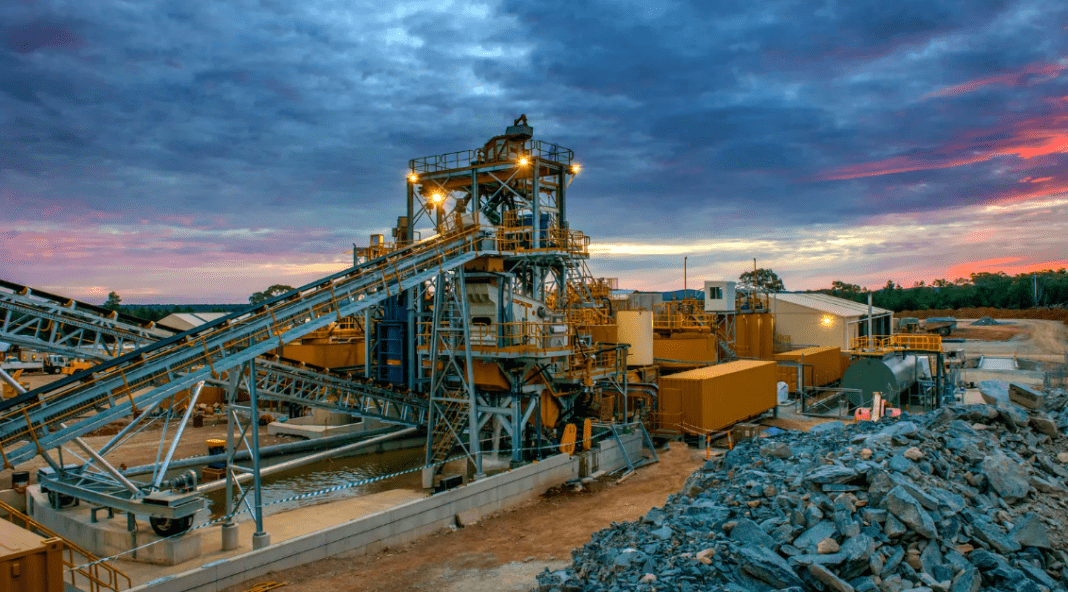
One of the main topics discussed was deep sea mining near the waters of Guam, the Northern Mariana Islands, and American Samoa. These territories face federal plans to allow commercial mining in their waters, despite strong local opposition. Panelists stressed that the fight over these mineral resources is not just about the environment, but also about control and sovereignty.
Panelists explained that unlike Greenland, which manages its own natural resources and keeps all revenues from mineral extraction, U.S. territories often do not have the same freedom. Congress can impose decisions about resource use, leaving local communities with little to no say. This situation makes residents feel powerless, even when these decisions directly affect their lives and livelihoods.
Arctic competition intensifies as NATO considers new security measures around Greenland
The discussion emphasized that a territory’s ability to govern itself depends heavily on who controls ownership of its local resources. The panel used deep sea mining as an example of how federal authority can override local wishes, creating tension between the people who live there and the government in Washington, D.C.
Daily Struggle Under U.S. Territorial Authority
Panelists described life as a U.S. territory as a constant effort to maintain rights and influence decisions. Many shared stories about how federal decisions often come without input from local communities. They stressed that residents are often deeply connected to their land and waters, and losing control over these resources can feel like a personal loss.
The discussion also highlighted the broader challenges of territorial governance. Local leaders emphasized that U.S. territories often face the full power of Congress without the same protections that states enjoy.
Trump says US gets ‘total access’ to Greenland — Denmark and Greenland say otherwise
This plenary authority means the federal government can act in ways that may bypass the Constitution in certain cases. Panelists warned that this power, while sometimes intended for good, can also be used to limit the freedoms and autonomy of territories.
The panelists shared their experiences to warn Greenland about the potential challenges of being under U.S. control. They described it as a situation that requires constant vigilance, advocacy, and sometimes, open resistance to protect local rights.
A Message of Resistance and Awareness
The panel’s key message to Greenland was clear: if you ever face a situation where outside powers seek to control your territory, preparation and resistance are essential. Moreover, panelists stressed the importance of self-determination and protecting local authority over resources and governance.
In addition, participants shared that living under U.S. territorial authority can feel like an ongoing struggle against imposed decisions. They described the experience as a form of modern imperialism, whereas local communities must fight repeatedly to maintain influence over their own lives and environment.
Furthermore, the voices from the territories emphasized that maintaining autonomy is not just a political matter, but a fight for identity, culture, and rights. Consequently, the panel firmly told Greenland to prepare to defend its self-governance, warning that relying on promises from external authorities can leave communities vulnerable.
Greenland police fine German broadcaster after U.S. flag stunt sparks public outrage
Through this discussion, the panel illustrated the stark differences between Greenland, which enjoys wide autonomy over its resources, and U.S. territories, which often do not. For example, the discussion of deep sea mining, combined with the ongoing federal oversight of territorial affairs, painted a vivid picture of the challenges of living under external control.
Finally, the panel ended with a powerful warning: self-determination should always take priority over military or strategic interests imposed from outside. They urged Greenland to fully understand what it means to be a territory under another nation and to prepare for the realities of federal authority.