

Much of the world’s attention right now is fixed on cold, distant places and big power politics. Greenland, maps, and strategy debates fill news feeds. While this happens, another story is unfolding in Iran, in a very different setting, and it is not getting the same level of focus.
A world looking the other way
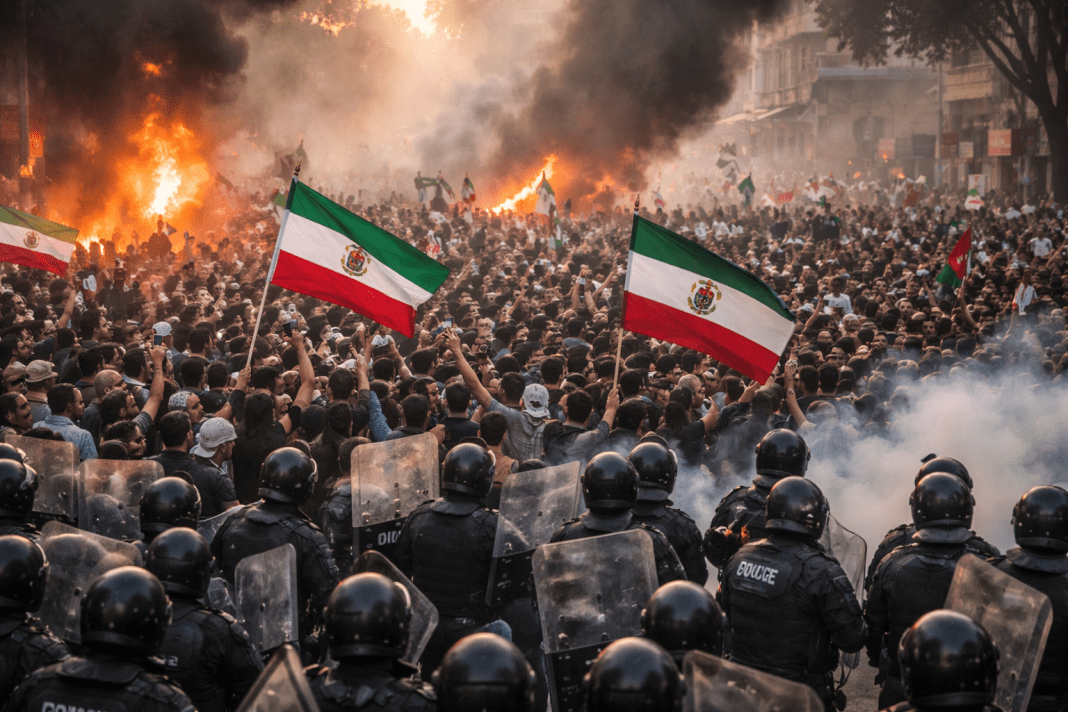
Large protests have spread across many cities and towns in Iran, and many observers describe them as the biggest demonstrations in the country in decades. Ordinary people have gone into the streets to show anger over daily life, strict rules, and the way the country is governed. They are not asking for small changes, but for basic rights, safety, and fairness.
The response from the authorities has been harsh. Security forces have tried to break up crowds, and there have been many arrests. There are also reports of a very high number of deaths. Human rights groups believe that thousands of people may have been killed in recent weeks, though exact numbers are hard to confirm because information from inside the country is tightly controlled.
Officials have said at times that the worst punishments and executions have stopped, and some foreign governments were told the violence had slowed. However, many independent observers doubt this and say pressure on protesters continues, just less visibly.
This creates a troubling contrast. While global attention is focused on distant strategic issues, Iran, a key country for energy and regional stability, is facing a violent internal crisis that affects millions. Yet the story often fades from headlines even though the unrest continues.
What is happening inside Iran
The protests grew out of long-standing anger. People from many backgrounds have joined in. Young and old, students and workers, and people from many different backgrounds have all been seen in the crowds.
These gatherings have not been small. In many places, streets and squares have filled with people. Protesters use simple signs, chants, and social media to share their demands. The message is easy to understand: they want change and dignity.
The state response has been forceful. Police and other security forces have used violence to clear areas. There are reports of live ammunition, large numbers of detentions, and harsh treatment in custody. Families speak about loved ones who went out to protest and did not return.
Because independent reporters have very limited access, much of the information comes from videos, messages, and phone calls sent by people inside the country. Human rights groups collect and study these pieces of evidence. Based on this, they believe the death toll is very high, possibly in the thousands. Even if the exact number is unclear, the scale of the crisis is not.
Communication has also been affected. At times, internet and phone services are slowed or cut. This makes it harder for people to organize and harder for the outside world to see what is happening. When information is blocked, fear and rumors spread more easily.
Daily life has been disrupted. Shops close early. Schools and universities are affected. Many people are afraid to go out, but many also feel they have no choice. Almost every family feels the pressure in some way.
Military and non-military moves in the region
While the internal crisis continues, important military and political movements are also taking place around Iran. A large United States naval force, built around a massive aircraft carrier, is moving from East Asia toward the Middle East. This type of ship works like a floating airbase, carrying many aircraft and sailing with other warships for protection. It can launch air strikes, defend itself, and stay at sea for long periods. Because it operates in international waters, it does not need permission from nearby countries, giving it wide freedom of action.
Iran protests continue under Khamenei as US military aircraft movements draw attention
At the same time, air forces are stationed in several countries across the region. Fighter jets, refueling planes, and transport aircraft allow long-range flights and fast responses. Together, these forces create a strong military presence near Iran. Other regional powers also have major bases and defense systems in place, adding to the overall pressure around the country.
Not all actions involve weapons. Cyber operations are now a key part of modern conflict and can target power grids, fuel supplies, and communication networks. Information control is another tool, used to block some messages and spread others. All of this is happening while protests continue, adding to an already tense and painful situation.