
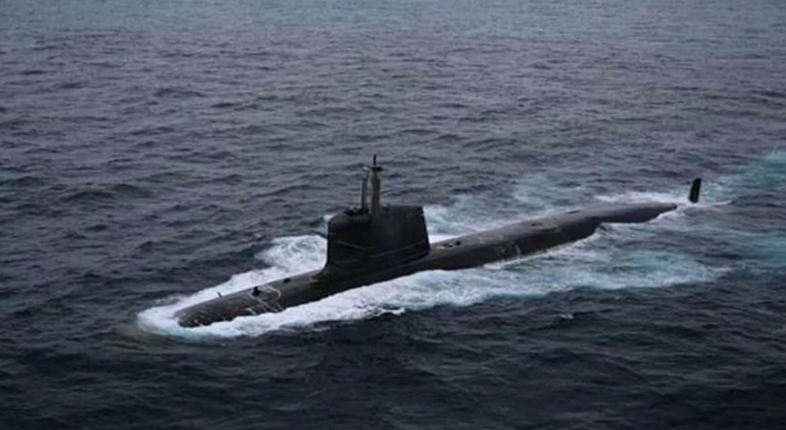

The defense ministry is pushing for a special law to allow nuclear-powered submarines. This follows US approval for South Korea to acquire nuclear fuel. These submarines need strict safety rules and coordination across agencies. Current laws do not fully cover these needs. The ministry has begun research on the law. It plans to start legislative procedures in the first half of the timeline.
Why a Special Law Is Seen as Necessary
Building a nuclear-powered submarine is more than a military project. It also involves nuclear safety, environmental protection, industrial planning, and long-term funding. The defense ministry says current laws do not fully cover these complex needs.
Existing rules focus on standard weapons purchases and civilian nuclear facilities. Nuclear submarines require special procedures for nuclear fuel, reactor technology, and strict safety controls. The lack of clear legal provisions has made it hard to define responsibilities and oversight.
South Korea showcases AI weapons and advanced arms in major push for global defense exports
Cost is another key issue, as nuclear-powered submarines require large investments and coordination across many government agencies. A special law would help manage funding, safety, and administration. Once enacted, it would also allow the creation of a dedicated task force to oversee the entire program.
US Approval and International Context
The push for a special law comes after an important diplomatic step last November. Following summit-level talks between South Korea and the United States, Washington officially approved Seoul’s plan to pursue nuclear-powered submarines. Reports also said the United States supported South Korea’s efforts to gain capabilities related to uranium enrichment and the reprocessing of spent nuclear fuel. These decisions were detailed in a joint fact sheet released after the discussions.
US backing is viewed as a key factor because nuclear technology is highly sensitive and tightly regulated worldwide. With this approval, one of the biggest external hurdles to developing nuclear-powered submarines was reduced, allowing South Korea to move forward with planning more confidently.
The discussions took place around the World Defense Show, a major international defense exhibition held in Riyadh. During the event, defense cooperation was a major focus. Reports noted talks on strengthening defense ties, including arms manufacturing, military training, and personnel exchanges.
There were also calls to deepen existing cooperation frameworks, especially in weapons production and related industries. At the same time, the defense ministry met with representatives from small and medium-sized domestic defense firms at the exhibition and pledged support measures to help boost exports and strengthen their global competitiveness.
Legal and Administrative Challenges Ahead
Reports emphasize that without a special law, moving forward with nuclear-powered submarines would be extremely difficult. The project requires clear rules on how nuclear fuel is acquired, stored, used, and eventually disposed of. It also needs strict safety measures to protect crew members, the public, and the environment.
The proposed law is expected to address how nuclear reactors on submarines will be regulated, who will oversee safety inspections, and how emergency situations would be handled. It would also define how different government agencies share responsibilities, reducing confusion and overlap.
Another important issue is procurement. Nuclear-powered submarines involve advanced technologies that are not covered by existing defense purchasing rules. Reports suggest the special law would include tailored procurement procedures to ensure transparency, security, and efficiency while dealing with sensitive nuclear technology.
South Korea confirms talks with U.S. and Japan after North Korea missile launch breaks UN rules
By launching a research project on the special law, the defense ministry is taking the first formal step toward building this legal framework. The research is expected to examine examples from other countries, assess domestic legal gaps, and propose solutions that fit national conditions. According to reports, this groundwork is seen as essential before any actual construction work can begin.
Overall, the push for a special law reflects the scale and seriousness of the nuclear-powered submarine initiative. It shows that the defense ministry is focusing on building a strong legal and administrative foundation to support one of the most complex defense projects the country has considered.